ynacon is a designing, production and construction company

30 % OFF from all services >> Best Price Guaranteed

Modern Home Design- Characteristics and Aesthetic

Modern home design emphasizes clean lines and geometric shapes. No more are features such as arches, ornate columns, window shutters, or any outlandish ornamentation. In place of these features that at one point spoke of luxury and wealth are simple shapes and intentional asymmetry.

They incorporated heavy textures, ornamentation, and plenty of dark and dramatic elements. Modern design rejected these aspects in favor of clean, straight lines, uncluttered spaces, and an overall lack of fussiness.

Characteristics of Modernism design?

So what did Modernism look like? As a design principle Modernism promoted sleek, clean lines and eliminated decorative additions that were purely for the sake of embellishment. Out were the frilly fripperies of pre-war styles. This new world would take its cue from technology, factories, practicality and usefulness.

What is the Modern Aesthetic?

To truly understand modern house design, we first need to explore the concept of the “modern aesthetic.” This is a term used to refer to a specific style, or selection of style choices made during a modern home design project. The modern aesthetic is often defined by sharp, clean lines, bold and coordinated colors, and minimalism. 

Modern home designs contrast significantly with traditional house plans, which focus heavily on decorative aspects and flourishes. For instance, in Tudor house plans, it’s common to see a lot of embellishments and elegant components in everything from crown moldings to the structure of the building. On the other hand, in country house plans, we see a focus on comfort and crafty elements. 

Modern homes prioritize function over form, meaning every home component has a distinctive purpose. Extra, unnecessary elements are often removed to provide a more minimalist look. Some of the most common components of the “modern aesthetic” include:

  • Neutral colors: Modern styles typically steer clear of bright and obnoxious colors in favor of monochromatic color palettes and simplicity (think of art deco-style homes).
  • Clean lines: Even in modern luxury house design, there’s minimal ornamentation. Modern architecture and interior designs focus on clean, straight lines. 
  • Open spaces: In a contemporary house plan, it’s likely to see more open floor spaces. Furniture creates lines between spaces, rather than walls, to create a sense of space. 
  • Minimalism: Contemporary design in the home also focuses heavily on minimalism. Anything “unnecessary” is removed from the environment to create a clean look.
  • Geometric shapes: Bold geometric shapes and angles are often common in modern home design. Many modern architectural designs are very different from traditional homes.

Applications & Basic Uses of Ceramics

Ceramics are also used to make objects as diverse as spark plugs, fiber optics, artificial joints, space shuttle tiles, cooktops, race car brakes, micro positioners, chemical sensors, self lubricating bearings, body armor, and skis.

  • Tiles: for home decoration, aerospace.
  • Cutting tools: For industry and cookware knives.
  • Cars: ceramic components and catalytic converters.
  • Bricks
  • Tooling. Tungsten carbide and silicon carbide.
  • Technical ceramics industry.
  • Ceramic molding industry.
  • Sanitary ware: toilets, sinks, baths.
  • Cookware: knives, crockery, pots, pans, dinnerware.
  • Electronic devices: Computer microchips, insulators, motors.
  • Hip replacements and dental fixtures.
  • Aerospace, aeronautics.

As evident from the above discussion, ceramics like all other materials, tend to have some advantages and disadvantages too, which are mostly derived from their properties.

Advantages

  • Relatively harder structure than conventional metals.
  • Low coefficient of friction
  • They have extremely high melting points.
  • They have low density.
  • They tend to show high corrosion resistance.
  • Low cost.
  • Abundant.
  • Glazed ceramic is non-staining.
  • Excellent electrical insulation.

Disadvantages

  • Poor shock resistance.
  • Easily breakable when hit with heavy item or dropped.
  • Potential warping during firing cause wavering dimensional tolerances.

Ceramics- Definition and Type

Ceramics are all around us.  This category of materials includes things like tile, bricks, plates, glass, and toilets.  Ceramics can be found in products like watches (quartz tuning forks-the time keeping devices in watches), snow skies (piezoelectric-ceramics that stress when a voltage is applied to them), automobiles (sparkplugs and ceramic engine parts found in racecars), and phone lines.  They can also be found on space shuttles, appliances (enamel coatings), and airplanes (nose cones).  

Depending on their method of formation, ceramics can be dense or lightweight.  Typically, they will demonstrate excellent strength and hardness properties; however, they are often brittle in nature.  Ceramics can also be formed to serve as electrically conductive materials, objects allowing electricity to pass through their mass, or insulators, materials preventing the flow of electricity.  Some ceramics, like superconductors, also display magnetic properties.

Ceramics are generally made by taking mixtures of clay, earthen elements, powders, and water and shaping them into desired forms.  Once the ceramic has been shaped, it is fired in a high temperature oven known as a kiln.  Often, ceramics are covered in decorative, waterproof, paint-like substances known as glazes.

Types of ceramic materials

Ceramics are omnipresent from our kitchen pantries to tool closets. They go far beyond the simple use of a ceramic vessel or sculpture and are applied in everything from science to mechanical engineering.

Tile

Ceramic and porcelain are two common types of tiles. Ceramic tile is made from a combination of silica, minerals, and clay that is shaped and fired in a kiln. Ceramic tiles use a mix of coarser clay with a smaller ratio of kaolin clay and are fired at lower temperatures as compared to porcelain—generally no higher than 1,650 degrees Fahrenheit.

Glass

Ceramic glass is a mechanically strong and versatile material. It can sustain vast temperature changes and is not porous, making it an ideal material for common cooktops and cookware. Less common manufactured glass ceramic goods include engineering components, insulation, and telescopic mirrors.

Brick

Bricks are produced by mixing clay with water, shaping and forming the brick, then drying and firing. Bricks are common building materials for walls, chimneys, fireplaces, and more.

Silicon

Silicon are abundant natural materials and are commonly found in ceramic materials, from bricks to glass ceramic to porcelain.

Electrical Work- Definition and Safety Guides

Electrical work means: connecting electricity supply wiring to electrical equipment or disconnecting electricity supply wiring from electrical equipment; or manufacturing, constructing, installing, removing, adding, testing, replacing, repairing, altering or maintaining electrical equipment.

What is Electrical Safety?

Electrical safety is a general practice of handling and maintaining electrically powered equipment to prevent incidents. Adequate training is required to properly identify and control hazards to keep the environment safe for those around.

1. Prevent electrical equipment from contacting wet areas

Keep water and other liquids at least 5 feet away from electrical equipment and sources of electricity. It is recommended to install Ground Fault Circuit Interrupters (GFCIs) which helps in preventing electrical incidents like electrical shock, ground-fault, fires, overheating, and destruction of wire insulation.

2. Ensure safe use when unplugging

When disconnecting electrical equipment, gently pull it by plug instead of jerking the electrical cord. Pulling by the cord can damage the electrical cable and cause a shock. 

3. Install properly and tidy electrical cords

Good electrical installation consists of fixed electrical equipment and electrical cords out of the way (and out of reach of pets that can chew on them).

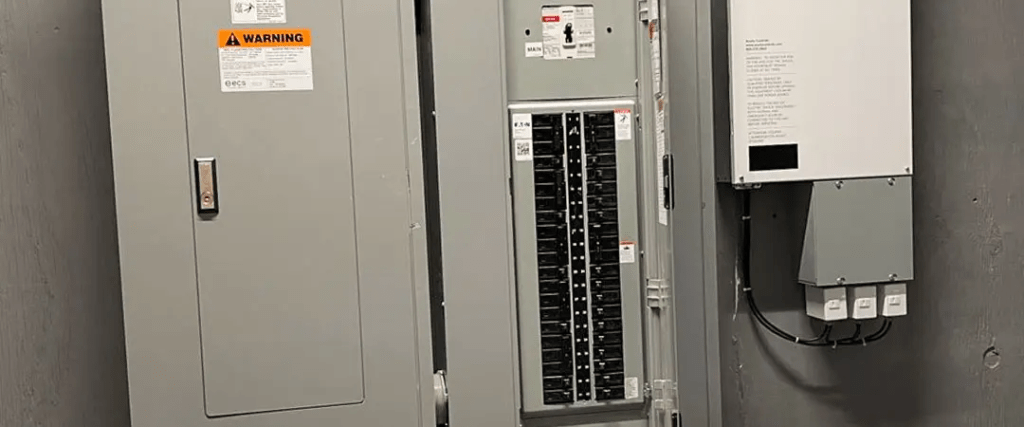
4. Understand your switchboard

A switchboard is an electrical safety device that protects and isolates the operator from electrical current. It controls the flow of electricity by dividing, distributing, and metering electrical power to different parts and devices. To ensure best performance and safety, electrical power entering the switchboard must resemble the amount of power it distributes. Otherwise, it can cause overheating and lead to electrical fire.

Gypsum- Definition and Functions

Gypsum is a mineral found in many items we use every day, like toothpaste and shampoo. It is also used to make Portland cement and drywall, create molds for dinnerware and dental impressions, and to build roads and highways.

What is gypsum used for?

Gypsum is a soft sulfate mineral composed of calcium sulfate dehydrate. It is mined around the globe, with many uses including as a fertilizer, construction material, in architectural and sculpture applications as well as pharmaceutical and food additive uses.

Gypsum has multiple common uses and has been considered the wonder mineral in construction because of its many uses in the industry. Gypsum is widely used to manufacture wallboards that are used to cover walls and ceilings. It’s also used to make plaster which is used in the construction of homes as well as mixed into a patching compound for wallboard repair. You can also find gypsum blocks that can be used in a similar fashion to concrete blocks for building. It is also used as a component of Portland cement that prevents the flash setting of the concrete. 

It can be used as a fertilizer and soil conditioner for wheat fields as well, something that Nova Scotia is particularly known for providing to wheat fields in the United States. It is sometimes used in baking as a dough conditioner to reduce any stickiness and used in baking to provide a source of calcium. Sometimes it can be used as a way to stop grains clumping together in mushroom cultivation. It works as a tofu binder and is included in many recipes for “silken tofu,” a type of tofu that doesn’t require pressing when cooking.

Besides the most common ways gypsum is used, it has various other uses (or historic uses) that might not fall in line with common food and construction uses. Gypsum is used in the treatment of burns, abscesses, and eczema. It exists in some foot creams, shampoos, and many other hair products. Some tests have shown that gypsum can potentially be used to remove water pollutants like lead and arsenic. Historically, medieval scribes used gypsum by mixing it with lead carbonate to make gesso, which was applied to illuminated letters and gilded with gold in illuminated manuscripts. Truly, the uses for gypsum are seemingly endless. 

Metal work safety- Safety Guides

1. Wear the proper PPE

This one’s a no-brainer. The best way to protect yourself from injury is to wear the appropriate personal protective equipment (PPE). The standard PPE for metal work should protect your whole body, including eyewear and protection for the face, arms, hands, head, and body. Some good examples of PPE for metal work are leather gloves, leather apron, goggles, and a helmet. Additionally, you should avoid wearing loose clothing or extra jewelry like necklaces or dangling earrings as they can get caught in machinery and lead to human injury.

2. Always check safeguards

You’ll find that most metalworking machinery has built-in safeguards to protect workers from getting injured. These are components that come between potential accidents during the operation of the machine. For example, metal cutting machines should have blade guards or polycarbonate shields.

Before using a machine, you should check if these safeguards or present, and if they’re not, you should avoid using them. In addition, it’s also important to make sure that all equipment is anchored securely to the floor. All the machines’ start/stop and emergency stop buttons must always be in reach.

3. Keep a clear working environment

Being organized is a good step in avoiding workplace injuries when working with metal. Keep all the materials, gear, and equipment, at the right place and there will be lower chances for accidents. After all, a cluttered working environment makes it easier to step on, bump into, or knock over things that you shouldn’t. Foster a working culture that makes it a habit to clean up right away and there will be fewer injuries.

4. Make precautions for potential health and fire hazards

Working metal means working with all sorts of substances and materials. For maximum safety, all workers should have a good understanding of the potential hazards that these materials and substances pose. There could be liquids and gases around you that are harmful when inhaled or touched. Perhaps some highly flammable substances are present that should be kept away from any sparks. Either way, necessary precautions should be made for any potential health and fire hazards.

The Intended Appropriate Application of Facade Pattern

Façade pattern hides the complexities of the system and provides an interface to the client using which the client can access the system. This type of design pattern comes under structural pattern as this pattern adds an interface to existing system to hide its complexities.

Façade is a part of the Gang of Four design patterns and it is categorized under Structural design patterns. Before we dig into the details of it, let us discuss some examples which will be solved by this particular Pattern. So, As the name suggests, it means the face of the building. The people walking past the road can only see the glass face of the building. They do not know anything about it, the wiring, the pipes, and other complexities. It hides all the complexities of the building and displays a friendly face.

When should this pattern be used?

The facade pattern is appropriate when you have complex systems that you want to expose to clients in a simplified way, or you want to make an external communication layer over an existing system which is in compatible with the system. Facade deals with interfaces not implementation. Its purpose is to hide internal complexity behind a single interface that appears simple on the outside.

The Facade pattern applies when:

  • You do not need to use all the functionality of a complex system and can create a new class that contains all the rules for accessing that system. If this is a subset of the original system, as it usually is, the API that you create for the new class should be much simpler than the original system’s API.
  • You want to encapsulate or hide the original system.
  • You want to use the functionality of the original system and
    want to add some new functionality as well.
  • The cost of writing this new class is less than the cost of everybody learning how to use the original system or is less than you
    would spend on maintenance in the future.

Modern and Mid-Century Interior Design Style

Modern Interior Design Style

Modern interior design refers to a sleek and uncluttered style that began in the late 19th century. In its purest form, modernism reflects a fuss-free approach to life. As a result, designers kept décor minimal while emphasizing industrial materials.

From the onset, it is important to note that modern and contemporary are two different interior styles. A modern interior design style is defined by clean and simple color schemes, welcoming feel, clean individual elements, as well as heavy use of glass and steel and much-needed siding replacements that date back in historical times. Black and white dominate the color palette, with some faded shades of blue, red, among other prime colors.

Contemporary interior design style which blends the design styles from various eras, the Modern Design style is from a specific period – the dawn of the 20th century. This style is rooted in German and Scandinavian design styles and architecture. It is all about logic and practicality and the paintings and sculptures are chosen accordingly. The focus of the designer is on functionality and NOT on the form.

Mid-Century Interior Design Style

The  mid-century design style was popular in the wake of the Second World War. Just like was the trend with almost every aspect of life those days, this interior design style emphasized on vivid use of color; from the walls to the wall arts, to the artifacts. Everything was colorful in this era. Furniture was defined by crisp lines, and indoor plants were in plenty.

This is an interior design style from the 40s to the 60s. As was symbolic of the times, after the end of World War II, minimalism and utility were the core themes of homes. A home designed with the Mid-Century Modern Style has a retro feel with a fresh twist. Timelessness and comfort are at the epicenter, making it one of the most preferred interior design styles. Typically, this design creates homes that are expressions of the homeowner.

Understanding the Term Real Estate

Residential real estate is property (both land and buildings) used for housing. This is in contrast to commercial or industrial real estate, where the land and buildings are zoned for operating a business, such as a store, an office or a factory.

Real estate is defined as the land and any permanent structures, like a home, or improvements attached to the land, whether natural or man-made.

Real estate is a form of real property. It differs from personal property, which is not permanently attached to the land, such as vehicles, boats, jewelry, furniture, and farm equipment.

What Are Types of Real Estate?

Residential real estate: Any property used for residential purposes. Examples include single-family homes, condos, cooperatives, duplexes, townhouses, and multifamily residences.

Commercial real estate: Any property used exclusively for business purposes, such as apartment complexes, gas stations, grocery stores, hospitals, hotels, offices, parking facilities, restaurants, shopping centers, stores, and theaters.

Industrial real estate: Any property used for manufacturing, production, distribution, storage, and research and development.

Land: Includes undeveloped property, vacant land, and agricultural lands such as farms, orchards, ranches, and timberland.

Special purpose: Property used by the public, such as cemeteries, government buildings, libraries, parks, places of worship, and schools.

5 Important Types of Stairs Generally used in Structures

Stair is a series of steps or flights of steps for passing from one level to another. It is a set of steps leading from one floor of a building to another, typically inside the building.

1. Geometric Stair

A winder stair in which the outside of the winders is supported by walls forming three sides of a rectangle, and the inner side is unsupported and without a newel post.. It is a continuous stairs that turn or wind about a central well hole which has rounded corners or is circular or elliptical and that have the strings and rails arranged upon geometric principles and running continuously from top to bottom.

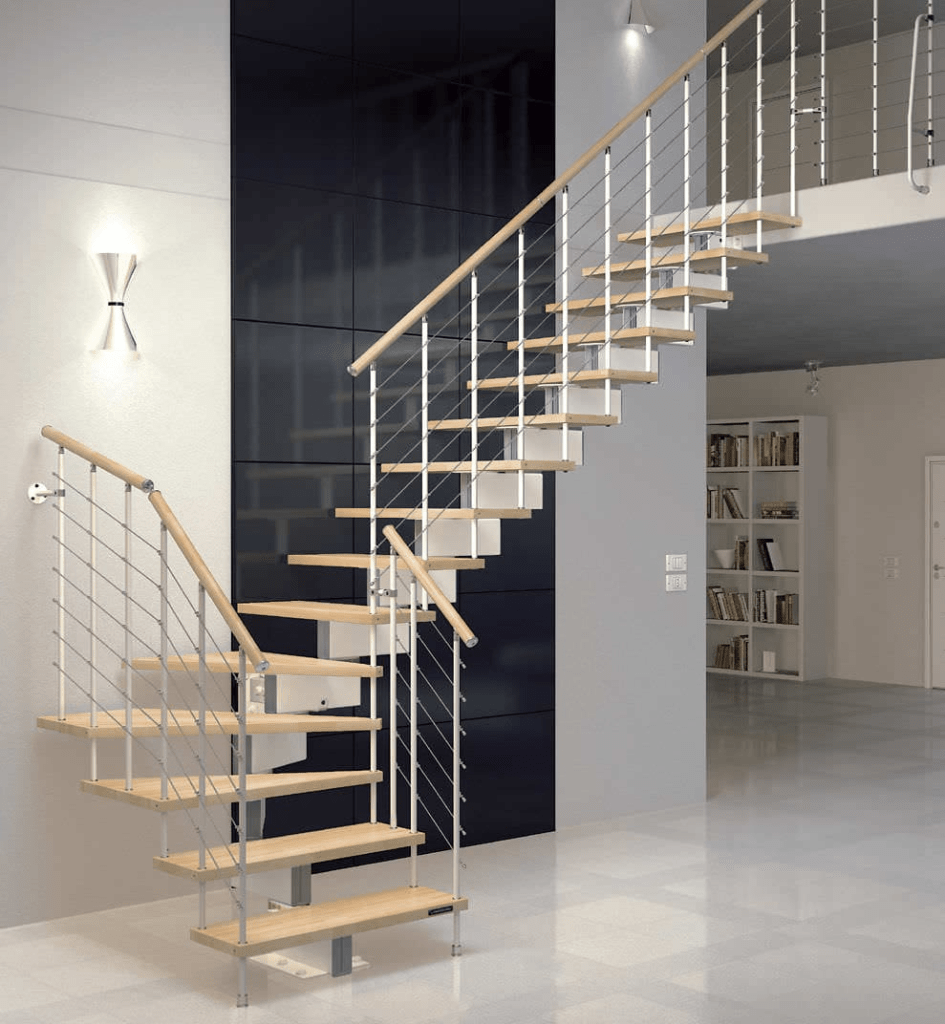
2. Quarter turn stair

A quarter-turn staircase consists of two straight rows of stairs and a one quarter turn of 90°. With this type of staircase, from the base to the top, the steps and the person on them turn 90°.

3. Bifurcated stair

This type of stair is commonly used in public buildings at their entrance hall. The stair has a wider flight at the bottom, which bifurcates into two narrower flights, one turning to the left and the other to the right, at the landing. It may be either of newel type with a newel post as shown in figure 9 below left side or of geometrical type, as shown in the right portion of the figure with continuous stringer and hand rails.

4. Circular stair

A circular staircase rotates in a round fashion around the circumference of a given area. Usually turns more than 90 degrees. This stair has a center “hole” that a person can look up or down through. Sometimes people hang chandeliers through the center area of these stairs.

5. Spiral stair

A spiral staircase is a structure that is built around a central post that acts as an axis for its steps. The origin of this type of staircase dates back to the Middle Ages. They were used both for aesthetic purposes and for defense.

ይድውሉ /call